



 Publication date: 29.01.2026
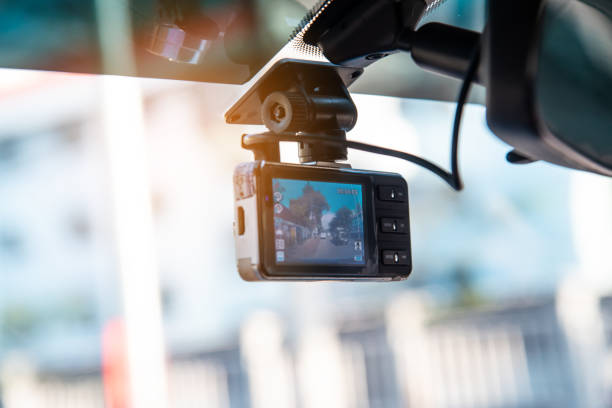
In Poland, traffic violations are increasingly recorded not only by stationary cameras, but also by private DVRs, police car cameras and city video surveillance systems. A car camera recording as evidence can play a decisive role in a case — both in favor of the driver and against them. That is why more and more people want to understand whether a DVR recording is evidence, how to obtain such material and how to appeal a DVR recording if it raises doubts.
A common situation is when a driver realizes: someone recorded my violation, and later receives a report of a traffic violation from car cameras. In such cases, natural questions arise: a fine based on a DVR — is it legal, is the police obliged to show the recording, and a fine from a car camera — how long after the incident it can be sent by mail.
When and why should you get a video recording of a violation?
The topic of dashcam footage and fines is one of the most common among drivers in Poland. Such footage can:
- confirm the fact of a violation;
- refute the conclusions of the authority;
- reveal technical or procedural errors.
Often, a fine based on a dashcam is issued without the full context of the incident. The footage may be cut, unclear, edited, or originate from a device that does not meet legalization requirements. In such situations, a reasonable question arises as to whether the dashcam footage and the fine are correctly linked and whether such material can be considered proper evidence.
Are the police obliged to provide the footage?
One of the key questions is whether the police are obliged to show the recording before imposing a fine. In many situations, a driver has the right to familiarize themselves with the case materials, but in practice authorities often refuse to provide the video without a properly prepared application.

A lawyer can submit a formal request, verify the legal grounds for refusal, and determine whether the dashcam recording is evidence in a specific proceeding. This is particularly important when the dashcam recording is evidence as the sole source of information about the incident.
How to challenge the video recording and the fine?
If the footage raises doubts, it can be challenged. How to challenge the dashcam recording depends on the circumstances of the case, the source of the recording, and compliance with procedures. A professional lawyer:
- analyzes the grounds for obtaining the video material;
- prepares a formal application for access to the recording;
- determines whether the dashcam recording is evidence under applicable law;
- assesses whether the dashcam recording and the fine contain procedural or technical violations;
- formulates arguments for an administrative or judicial appeal.
As a result, the driver gains a real tool of protection, and the dashcam recording and the fine are subject to thorough legal review.
The role of a lawyer in cases involving video recordings
Professional legal assistance is especially important in cases where there is a report of a traffic violation from car cameras and the driver is unsure about the legality of the authority’s actions. A lawyer knows how to act when a fine based on a dashcam has been imposed without sufficient grounds and helps use video evidence in the client’s favor.
Recording violations with dashcams is becoming increasingly common, but a dashcam recording as evidence is not always indisputable. In many cases, the dashcam recording and the fine can be challenged due to technical or procedural violations. Timely access to materials, understanding whether a DVR recording is evidence, and choosing the right defense strategy are crucial.
Consultant Legal Marketplace helps drivers in Poland obtain video recordings, assess their probative value, and prepare effective appeals. If you have received a fine or a report of a traffic violation from car cameras and doubt its legality, professional support will help protect your rights and avoid unjustified consequences.
FAQ
Question
Is dashcam footage considered evidence in Poland?
Answer
Yes, dashcam footage can be considered evidence if it was obtained legally and reliably shows the circumstances of the offense.
Question
Is the police required to show the video recording?
Answer
In many cases, yes, but usually only after a formal request to access the case file is submitted.
Question
Is a fine based on dashcam footage legal?
Answer
A fine based on dashcam footage can be legal, provided the recording meets evidentiary and procedural requirements.
Question
How long does it take to receive a fine from a vehicle camera?
Answer
A fine may be delivered by mail several weeks or even months after the incident.
Question
How can dashcam footage and a fine be challenged?
Answer
The driver can request access to the recording, assess its legality, and file an administrative or court appeal if violations are found.