



 Publication date: 02.02.2026
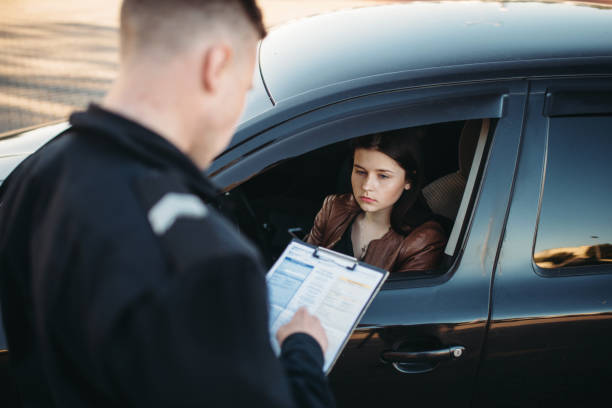
A roadside check is one of the most common forms of interaction between drivers and law enforcement agencies in Poland. For the police, it is a standard procedure for monitoring compliance with traffic rules, but for drivers, especially foreigners or people without legal experience, such a situation is often accompanied by stress and uncertainty. Lack of understanding of the legal limits of the police's powers and their own rights can lead to erroneous decisions, unjustified fines or other negative consequences. That is why it is important to know in advance what a police roadside check is – the rights of a driver, what obligations are imposed on the driver and when it is advisable to seek professional legal assistance.
In practice, many drivers doubt whether each stop is legal, what documents they are required to present and whether the police officer has the right to demand certain actions. The answers to these questions are directly related to the topic of the legality of a roadside inspection in Poland, since a violation of the procedure by the police may be grounds for further appeal of fines or other sanctions.
Theoretical principles of roadside inspections in Poland
Polish legislation clearly regulates the procedure for conducting roadside inspections. The police have the right to stop vehicles in order to check documents, the technical condition of the car, the driver's sobriety or compliance with traffic rules. At the same time, each such action must have a legal basis and comply with the established procedure.
The legality of a roadside inspection in Poland depends on compliance with a number of conditions: the police officer must act within the limits of his powers, clearly identify himself, and, if necessary, explain the reason for the stop. Failure to comply with these requirements may indicate a violation of the driver's rights and creates a basis for legal protection.
Driver's rights and obligations during a roadside inspection
During an inspection, the driver has both clearly defined obligations and rights guaranteed by law. The driver's duties during a roadside check include:
- stopping the vehicle at the specified police location;
- presenting the driver's license, registration documents and insurance policy;
- following the lawful instructions of the police officer;
- refraining from actions that may impede the check.
At the same time, a police roadside check – the rights of a driver include the ability to:
- receive information about the reason for the stop;
- know the position and service data of the police officer;
- demand an explanation of the legal grounds for applying certain measures;
- refuse to accept a fine if the driver does not agree with the charges.
In the event of refusal of the fine, the case may be referred to court, where the legality of the police actions and compliance with the inspection procedure will be of decisive importance.
Police abuse during roadside checks: when to react?
Although most roadside checks are carried out in accordance with the rules, police abuse during roadside checks still occurs. Such situations include stops without proper grounds, exceeding authority, improper information of the driver or psychological pressure to induce immediate payment of a fine.
In such cases, the driver has the right to protection, however, the effectiveness of such protection largely depends on the speed and correctness of actions. Recording the circumstances, maintaining calm and timely contacting a specialist can help avoid more serious consequences.

This is where a lawyer for road checks plays an important role, as they are able to assess the situation from a legal point of view.
How a lawyer for road checks helps?
A lawyer for road checks carries out a comprehensive analysis of the incident, checking whether all legislative requirements were met during the stop and inspection. Their work is not limited to consultation only, but includes full legal support. Practical legal assistance may include:
- analysis of the legality of police actions;
- assessment of evidence collected during the check;
- preparation of appeals and objections to fines;
- representation of the driver's interests in administrative and judicial proceedings;
- support in cases related to the seizure of documents or other sanctions.
This approach allows drivers not only to protect their rights, but also to minimize the financial and legal risks associated with roadside checks.
Roadside checks in Poland are a legitimate part of road safety control, but only if they are conducted in accordance with clearly established procedures. Knowing your rights, understanding your obligations and responding in a timely manner to possible violations by the police allow drivers to effectively protect their interests. If you have encountered a questionable roadside check or need professional protection, contact Consultant Legal Marketplace. Our specialists will provide qualified legal support, help assess the legality of police actions and ensure proper protection of your rights in Poland.
FAQ
Question
Do the police have the right to stop a car without explaining the reason?
Answer
In certain cases, yes, but at the driver's request, the police officer must provide a legal basis for the inspection.
Question
What documents must be carried during the inspection?
Answer
Driver's license, vehicle registration documents and a valid insurance policy.
Question
Can the fine be waived on the spot?
Answer
Yes, in this case the case is referred to court for further consideration.
Question
What to do in case of abuse by the police?
Answer
It is worth recording the circumstances of the inspection and seeking professional legal assistance.
Question
When is it advisable to involve a lawyer?
Answer
The best time is immediately after the incident or when receiving a fine that you do not agree with.